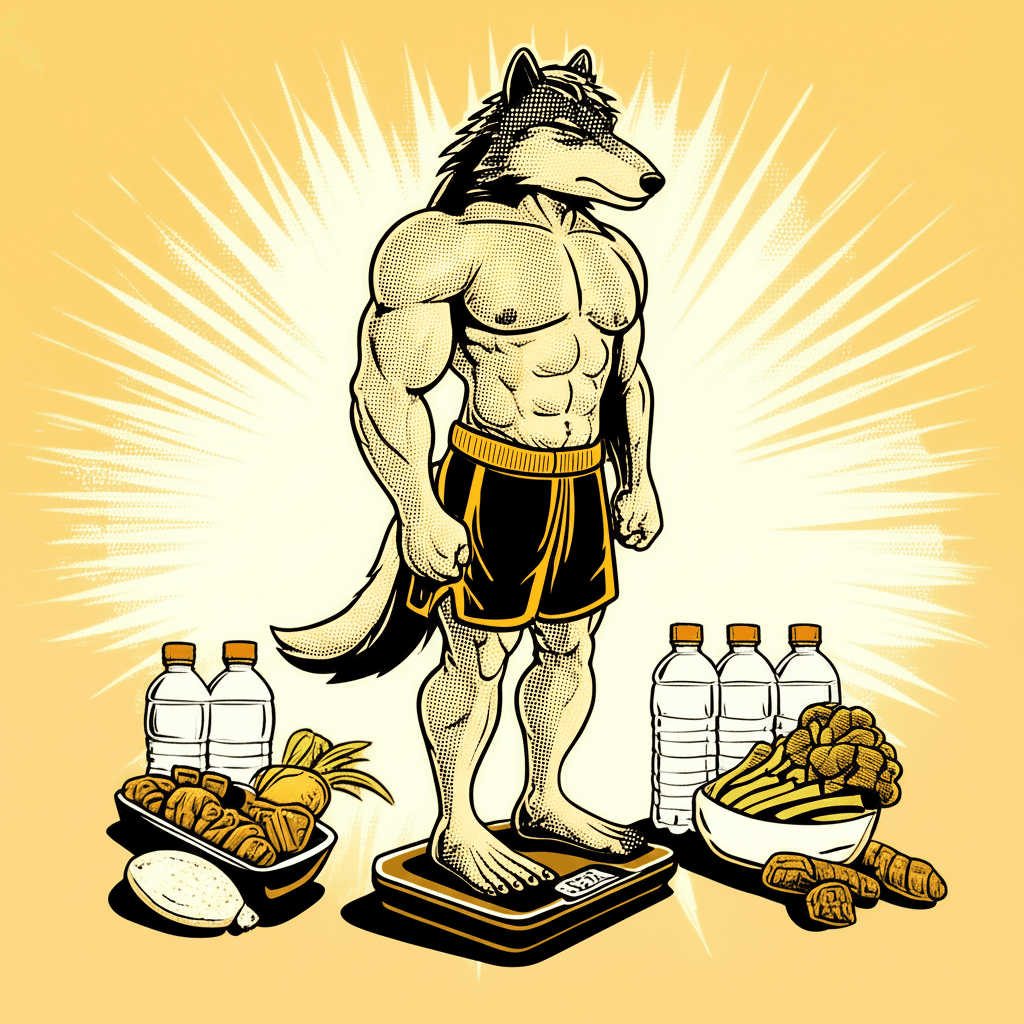
Safe Weight Cutting for BJJ Competitions
Weight management is a crucial part of BJJ competition. Done correctly, it can give you a competitive advantage. Done poorly, it can ruin your performance and endanger your health.
Understanding Weight Classes
Before planning your cut, consider which weight class gives you the best competitive advantage:
Cutting Down
Pros:
- Size advantage over smaller opponents
- Strength advantage at lower weight
- Potential leverage improvements
Cons:
- Energy depletion if cut is too aggressive
- Recovery time between weigh-in and competition
- Health risks with extreme cuts
Staying Natural
Pros:
- Full strength and energy
- No dehydration effects
- Better cardio performance
- Less stress before competition
Cons:
- May face larger opponents who cut
- Potential strength disadvantage
Safe Cutting Guidelines
The 10% Rule
A safe water cut should not exceed 10% of your body weight. For a 175-pound competitor, that's a maximum 17.5-pound cut.
Example Safe Ranges:
| Walk-around Weight | Maximum Safe Cut | Competition Weight | |-------------------|------------------|-------------------| | 170 lbs | 17 lbs | 153 lbs | | 185 lbs | 18.5 lbs | 166.5 lbs | | 200 lbs | 20 lbs | 180 lbs |
Timeline for Weight Management
4+ Weeks Out:
- Assess actual weight vs. target weight
- Begin gradual caloric reduction if needed
- Increase water intake
2 Weeks Out:
- Water loading phase begins (drink more water)
- Clean up diet completely
- Monitor weight daily
1 Week Out:
- Begin water restriction gradually
- Reduce sodium intake
- Light training only
Day Before:
- Final water cut if needed
- Focus on making weight
- Rest and visualization
Nutrition Strategy
Cutting Phase Nutrition
Focus on:
- Lean proteins: Chicken, fish, lean beef
- Complex carbs: Oats, rice, vegetables
- Healthy fats: Avocado, nuts, olive oil
- Fiber: Vegetables for satiety
Avoid:
- Processed foods (high sodium)
- Sugar and simple carbs
- Alcohol
- Excessive dairy
Sample Cutting Day Meals
Breakfast:
- 3 eggs scrambled
- 1 cup spinach
- Water or black coffee
Lunch:
- 6 oz grilled chicken
- Green salad (no dressing)
- Small portion of rice
Dinner:
- 6 oz fish
- Steamed vegetables
- Small sweet potato
Water Cutting Protocol
Water Loading (Week Before)
| Day | Water Intake | |-----|-------------| | Sunday | 2 gallons | | Monday | 2 gallons | | Tuesday | 2 gallons | | Wednesday | 1 gallon | | Thursday | 0.5 gallons | | Friday | Sips only | | Saturday | Compete! |
This protocol trains your body to excrete water. When you reduce intake, you continue excreting, creating the cut.
Dehydration Methods
If water manipulation isn't enough:
- Hot bath: Safe and effective
- Sauna: Use carefully, in intervals
- Light exercise: Low-intensity movement
- Layered clothing: Controlled sweating
Never use: Diuretics, laxatives, or extreme heat exposure.
Rehydration Protocol
After weigh-ins, recovery is crucial:
Immediate (First 2 Hours)
- Sip water slowly (not gulping)
- Electrolyte drinks
- Light snacks (easily digestible)
Medium-Term (2-6 Hours)
- Gradual rehydration
- Complex carbs for energy
- Light protein
- Continue electrolytes
Pre-Competition Meal
- 2-3 hours before first match
- Familiar foods only
- Moderate portion size
- Easy to digest
Warning Signs
Stop your cut immediately if you experience:
- Severe headaches
- Dizziness or disorientation
- Rapid heartbeat
- Muscle cramps
- Dark urine (severe dehydration)
- Nausea or vomiting
These are signs of dangerous dehydration requiring medical attention.
Same-Day Weigh-Ins
Many tournaments use same-day weigh-ins, which changes the strategy:
Adjustments Needed
- Smaller weight cut (recovery time limited)
- Focus on actual walking weight
- Consider competing at natural weight
- Pack recovery snacks for after weigh-in
Same-Day Protocol
- Wake up on weight or within 2 lbs
- Light morning movement
- Weigh in as early as possible
- Begin immediate rehydration
- Light breakfast after weigh-in
Long-Term Weight Management
Instead of crash cutting, consider:
- Maintaining competition weight year-round
- Gradual body composition changes
- Building muscle at natural weight
- Competing in natural weight class
Track Your Weight Journey
Use BJJChat to log your daily weight, track your nutrition, and monitor your cutting progress. Consistent tracking helps you refine your approach for future competitions.
Find your next competition on our calendar and start your preparation today.
Track Your Competition Journey
Use BJJChat to log your training, track your weight, and prepare for competition day.
Try BJJChat Free